
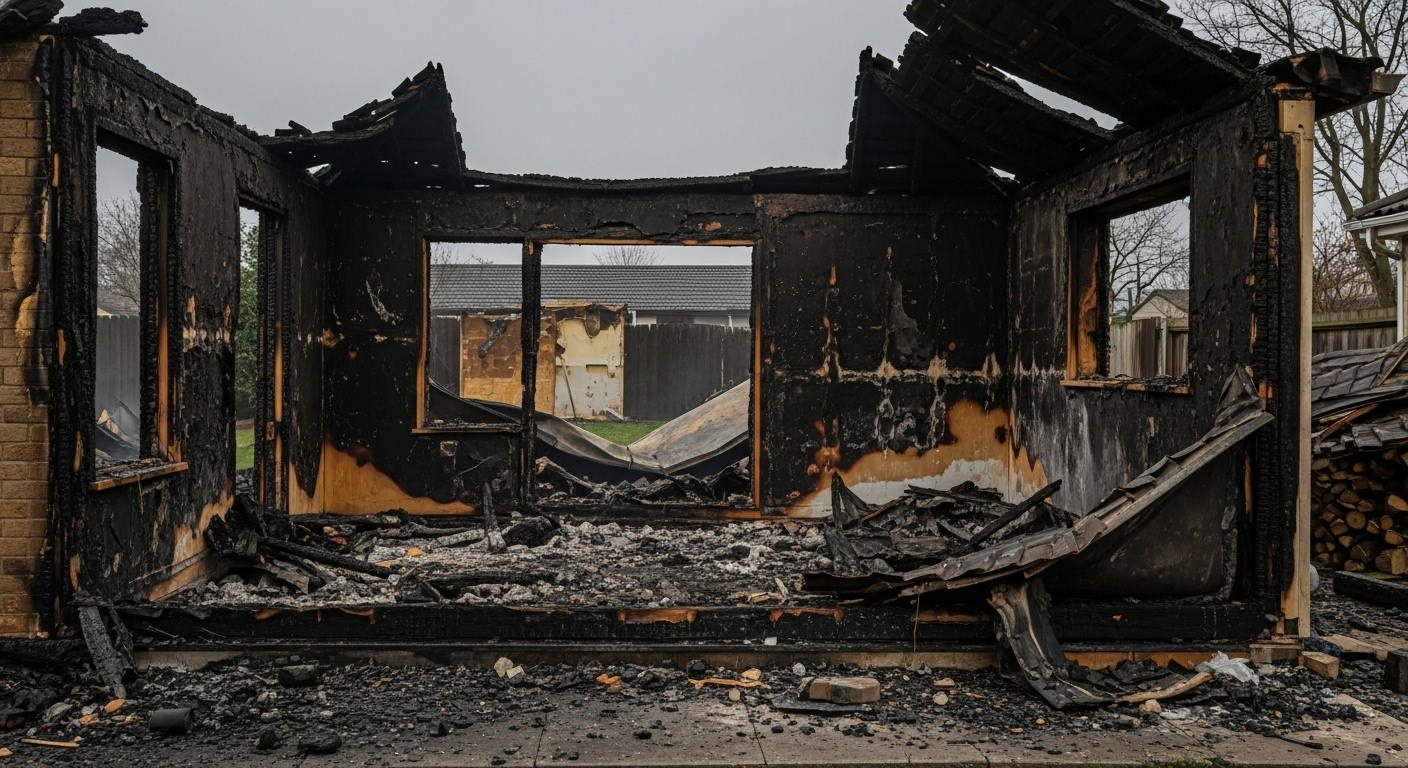
A fire in your home doesn’t just affect the obvious charred cabinets, blackened walls, scorched roofs it triggers a domino effect of cleaning, drying, structural fixes, odour removal, and system repairs.
When people search phrases like fire damage cleanup cost or fire restoration cost, they’re really trying to answer one big question:
How much am I going to pay realistically?
This guide breaks down the real ranges, what impacts the fire damage cost, and how to get professional help without guessing.
1. What Is the Fire Damage Restoration Cost (UK Practical Ranges)
Here’s the honest picture based on UK cleanup companies, restoration pros, and industry cost guides:
| Type of Fire Damage | Typical UK Cost Range |
| Minor fire & smoke cleanup | £1,000 – £5,000 |
| Moderate damage (partial room rebuilds) | £5,000 – £20,000 |
| Major structural rebuild & full restoration | £20,000 – £70,000+ |
These are realistic cost bands, not marketing estimates. They include:
- Fire clean-up costs
- Smoke and soot removal
- Water damage drying (from firefighting)
- Basic repairs and deodorisation
Larger rebuild costs vary widely depending on materials, access, and insurer requirements.
2. Fire Damage Cleanup Cost: What You’re Really Paying For
People often confuse cleanup with repair. They are related but separate:
Fire Damage Cleanup Cost includes:
- Debris removal
- Soot, smoke, and odour extraction
- Decontamination (hazardous ash & chemicals)
- Water extraction & drying if hoses were used
- Air quality and sanitisation
Cleanup is the first essential step and often the one insurers base initial estimates on.
Fire Damage Repair Cost UK includes:
- Replacing or repairing ceilings, floors, and walls
- Structural timber repair
- Rewiring or electrical work damaged by heat or water
- Rebuilding kitchens, insulation, plastering, and decoration
Two people on Reddit summed it up this way:
- “Cleanup got rid of the smoke smell, but the repair cost was in tens of thousands.”
- “Insurance quoted £30k – £50k for full restoration on our house after a kitchen fire.”
This is exactly why understanding the distinction matters.
3. Cost to Repair Fire-Damaged House Where the Numbers Jump
The cost to repair fire damaged house often shoots up because:
Hidden Damage
Heat spreads behind walls; water from firefighters saturates timber and plaster.
Smoke Penetration
Smoke can penetrate deeply, not just on surfaces requiring specialist chemical cleaning and machine deodorisation.
Structural Work
Rebuilds demand trade coordination: carpenters, electricians, plasterers, and decorators, every trade adds to the bill.
In the UK, insurers often categorise fire repairs as partial rebuild or full reinstatement, and quotes reflect that complexity.
4. What Drives the Fire Damage Cost (Key Variables)
The final cost isn’t random; it’s equally influenced by:
- Severity of the fire damage
Small isolated fires cost much less than full room losses. - Smoke vs heat damage
Tough smoke residues (like kitchen grease fires) take more time and chemicals than a quick surface scorch. - Secondary water damage
Drying and mould prevention after water exposure can rival the fire cleanup cost. - House size and layout
More square footage = more work. - Accessibility & logistics
Upper floors, awkward spaces, or insurance restrictions complicate labour. - Contents and salvage
Professional content cleaning adds billable hours but may save replacement costs.
5. Real Homeowners Speak: What People Share Online

In forums and on Reddit, we see homeowners share eye-opening experiences:
- One homeowner reported a £7,500 cleanup quote followed by £25,000+ repair estimates from builders.
- Another said the smoke damage was worse than the fire, and professionals used industrial fogging and machine cleaning that DIY couldn’t replicate.
- These real perspectives reflect why fire restoration isn’t “just a quick clean.”
6. Practical Tips to Manage Your Fire Restoration Price
You can influence fire damage restoration costs with smart decisions:
Document Everything
Photos, receipts, and detailed records help insurers and cleaners assess the scope accurately.
Get Multiple Estimates
Don’t take the first number; compare professional appraisals.
Let Professionals Assess the Damage
DIY smoke removal doesn’t remove odour deep in walls and can make surfaces sticky or discoloured.
Coordinate With Your Insurer
Many policies cover most costs when detailed by pros.
And if your broader concern is understanding the benefits and costs of hiring professionals for cleaning tasks, including after emergencies, check out our complete guide here:
http://dhcompletecleaning.co.uk/benefits-and-cost-of-hiring-a-cleaning-company
This article walks through why professional help often delivers better value than DIY, a topic closely connected to navigating fire damage recovery.
7. Quick FAQ Fast Answers Homeowners Want
Q: Can fire damage restoration be cheap?
A: “Cheap” is risky. A low quote may miss hidden soot or structural issues, leading to bigger bills later.
Q: Will insurance always cover fire damage?
A: Most policies cover sudden fire damage, but you must follow insurer instructions, get proper surveys, and document losses.
Q: How long does restoration take?
A: Minor cleaning can be days; full restorations can be weeks or months, depending on the work required.
Conclusion
Typical ranges you should expect are:
- £1,000 – £5,000 for minor cleanup
- £5,000 – £20,000 for moderate repairs
- £20,000 – £70,000+ for major rebuild/restoration
Understanding real numbers helps you plan, negotiate with insurers, and choose professionals who deliver value, not just a quick sweep.
If your goal is clear expectations, trusted professionals, and better post-disaster recovery, you’re in the right place.